By Alistair Johnstone
"Should I get a coach or a therapist?" It's one of the most common questions I hear, and it's a good one. The honest answer is that they're different tools for different jobs — and understanding the difference helps you make a better decision about what you actually need.
This isn't a competition. Therapy is valuable. Coaching is valuable. They serve different purposes, and for many people, both have a role to play at different points in their lives. What matters is being clear about what each one does, so you can choose wisely.
Key Takeaways
- Therapy is primarily focused on the past; coaching is primarily focused on the future
- Both are valuable — they serve different purposes and can work alongside each other
- Coaching is not a substitute for clinical mental health treatment, but it's highly effective for people who are functioning and want to do better
- Many people benefit from both coaching and therapy at different times in their lives
- The right choice depends on what you're trying to achieve right now
The Core Difference
Here's the simplest way to think about it:
Therapy asks: What happened, and how has it shaped you?
Coaching asks: Where do you want to go, and what's getting in the way?
Therapy is primarily retrospective — it's about understanding and healing the past. Coaching is primarily prospective — it's about building the future. Both involve honest conversation, both require trust, and both can be deeply personal. But they operate from different starting points and move in different directions.
What Therapy Does
Therapy — whether that's counselling, CBT, psychotherapy, or another modality — is conducted by trained mental health professionals. It's designed to:
- Process past experiences, including trauma
- Diagnose and treat mental health conditions
- Explore the psychological roots of patterns and behaviours
- Provide a safe space for emotional processing and healing
Therapy is particularly well-suited for people dealing with diagnosed conditions (depression, anxiety disorders, PTSD, etc.), significant trauma, or situations where understanding the past is essential to moving forward. In the UK, therapy is available both publicly and privately, though waiting times for public services can be long.
1 in 4 people in the UK experience mental health difficulties each year. For many of them, therapy is the right first step — and an important one.
What Coaching Does
Coaching is forward-focused. It's not about diagnosing or treating — it's about building. A coach helps you:
- Get clear on what you want and why you want it
- Identify the patterns and obstacles that are keeping you stuck
- Build new habits, routines, and structures
- Create accountability for the commitments you make
- Develop confidence and self-trust through consistent follow-through
Coaching is particularly well-suited for people who are functioning — who aren't in crisis — but who know they're capable of more and want the structure and support to get there. It's for people who are ready to move forward, not just understand the past.
If anxiety and overwhelm are the immediate issue, start with anxiety coaching for a practical coaching-first approach.
My approach at The Missing Piece is grounded in this forward focus. Whether that's personal development coaching, goal planning and achievement, or empowerment coaching — the work is always about building something, not just understanding something.
A Side-by-Side Comparison
| Therapy | Coaching | |
|---|---|---|
| Primary focus | Past and present | Present and future |
| Core question | Why am I like this? | How do I change? |
| Practitioner | Trained mental health professional | Trained coach |
| Regulation | Regulated profession | Unregulated in UK |
| Typical duration | Weeks to years | Weeks to months |
| NHS availability | Yes (with waiting times) | No |
| Best for | Trauma, diagnosed conditions, deep healing | Habits, goals, accountability, growth |
| Can they work together? | Yes | Yes |
When to Choose Therapy
Therapy is likely the better starting point if:
- You're dealing with a diagnosed mental health condition
- You've experienced significant trauma that's affecting your daily life
- You're in crisis or struggling to function
- You need clinical support and professional diagnosis
- You want to understand the deep psychological roots of your patterns
If any of these apply, please prioritise getting the right clinical support. Coaching is not a substitute for that.
When to Choose Coaching
Coaching is likely the better fit if:
- You're functioning but feel stuck or unfulfilled
- You know what you want but struggle to follow through
- You want to build better habits, routines, or structures
- You're going through a life transition and want support navigating it
- You want accountability and honest feedback from someone invested in your progress
- You're ready to move forward and want help doing it faster
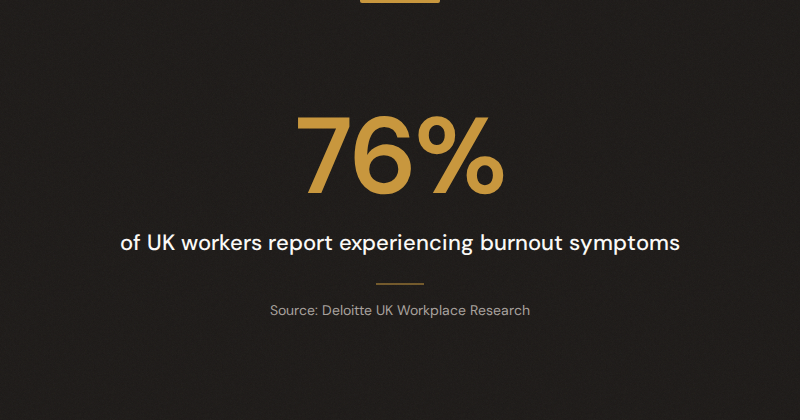
76% of UK workers report experiencing burnout symptoms. Most of them don't need therapy — they need structure, clarity, and accountability. That's what coaching provides. If work pressure is your main trigger, this guide on coaching for stress is a useful next read.
Can You Do Both?
Yes — and many people do. Therapy and coaching address different things and can complement each other well. Your therapist helps you process and heal; your coach helps you build and move forward. There's no conflict between the two.
In fact, some of the most effective work I've done with clients has been alongside their therapy. The therapy gives them the space to process; the coaching gives them the structure to act. The two work together.
If you're currently in therapy and wondering whether coaching might add value, it's worth having that conversation with your therapist. Most therapists are supportive of clients also working with a coach, as long as the two approaches are clearly differentiated.
My Perspective
I'm a coach, not a therapist. I'm clear about that distinction, and I think it matters.
What I offer is forward-focused, practical, and grounded in lived experience. I've been through well over a decade of my own recovery and rebuilding — from addiction, from toxic relationships, from periods of genuine darkness. That experience informs how I work, but it doesn't make me a clinician.
What I can offer is honest, structured support for people who are ready to move forward. If you're in that place — if you're functioning, if you're ready to do the work, if you want accountability and clarity — coaching is likely the right fit.
If you're not sure, read what is life coaching and how can it help you? for a fuller picture of what coaching involves. Or read 5 signs you're ready for lifestyle coaching to assess your own readiness.
You can also learn more about my background and approach on the about page — I believe in being transparent about who I am and what I offer, so you can make an informed decision.
Frequently Asked Questions
Is coaching better than therapy?
Neither is universally better — they serve different purposes. Therapy is designed to process past experiences and heal psychological wounds. Coaching is designed to build new habits, clarify goals, and create forward momentum. The right choice depends on what you need right now.
Can a life coach help with anxiety?
Yes, coaching can be highly effective for managing anxiety — particularly the kind rooted in patterns of overthinking, avoidance, or lack of structure. Coaching builds practical tools for managing overwhelm and creating the routines that support mental wellbeing. It's not a clinical treatment, but it's genuinely useful.
Do I need therapy or coaching?
A useful rule of thumb: if you're primarily looking to understand and heal the past, therapy is likely the better fit. If you're primarily looking to build a better future — new habits, clearer goals, more confidence — coaching is likely the better fit. Many people benefit from both at different times.
Can I see a coach and therapist at the same time?
Absolutely, and many people do. Therapy and coaching address different things and can complement each other well. Your therapist helps you process and heal; your coach helps you build and move forward. There's no conflict between the two.
How do I choose between a coach and a therapist?
Think about what you're primarily trying to achieve. If you're dealing with diagnosed mental health conditions, significant trauma, or need clinical support — start with a therapist. If you're functioning but stuck, want to build better habits, or need accountability and structure — coaching is likely the right starting point.
If you've read this and coaching sounds like the right fit, the next step is simple: book your initial session. One hour, honest conversation, no pressure. We'll figure out together whether it's the right fit for where you are right now.