By Alistair Johnstone
Leaving a toxic relationship takes courage. But the journey doesn't end when you walk away — in many ways, it's just beginning. The aftermath can leave you feeling depleted, confused, and uncertain about who you are outside of that dynamic. Rebuilding isn't just about moving on; it's about rediscovering yourself and creating a foundation for a life that actually serves you.
I'm writing this from experience, not just professional knowledge. I've been through toxic relationships — the kind that leave you questioning your own reality, your own worth, your own sanity. I know what it feels like to walk away from something that was destroying you and still grieve it. That complexity is real, and it deserves to be taken seriously.
Key Takeaways
- Grieving a toxic relationship is normal and necessary — don't rush it
- Rebuilding your sense of self is the foundation everything else rests on
- Patterns from toxic relationships don't disappear automatically — they need to be understood
- Seeking support is a sign of strength, not weakness
- Recovery isn't linear, but it is possible — and it's worth it
Why Toxic Relationships Are So Hard to Leave (and Recover From)
Before we get into the steps, it's worth understanding why this is so difficult. Toxic relationships — particularly those involving manipulation, emotional abuse, or narcissistic dynamics — create what psychologists call trauma bonds. These are neurological attachments formed through cycles of tension, conflict, and reconciliation. They're not a sign of weakness. They're a sign that your nervous system was doing exactly what it was designed to do.
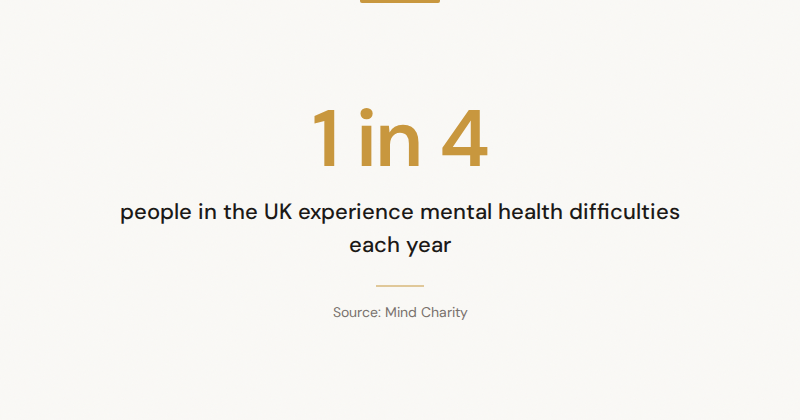
1 in 4 people in the UK experience mental health difficulties each year, and relationship trauma is one of the most common contributing factors. Yet it's also one of the least talked about. There's still a tendency to minimise it — "just move on," "you're better off without them," "at least you got out." These responses, however well-intentioned, miss the point. Recovery from a toxic relationship is real work.
1. Allow Yourself to Grieve
The first step in rebuilding is acknowledging that what you experienced was real and that it affected you. Even if the relationship was toxic, you invested emotionally in it. You had hopes for how it could be. Allowing yourself to grieve that loss — without judgement — is essential.
Grief isn't weakness. It's a natural response to loss. You might feel sadness, anger, relief, or confusion — sometimes all at once. These feelings are valid. Rather than pushing them away or trying to "move on" too quickly, sit with them. Journal about them. Talk about them with someone you trust.
This emotional processing is what allows you to truly let go and move forward. Skipping it doesn't make you stronger — it just means the grief resurfaces later, often at inconvenient moments. If your nervous system still feels constantly on edge, anxiety coaching offers a practical framework for rebuilding day-to-day stability.
2. Establish Clear Boundaries
One of the most important lessons from a toxic relationship is learning to set and maintain boundaries. If you struggled with this in your past relationship, now is the time to practise. This might mean limiting or cutting contact with your ex, being clear about what you will and won't tolerate in future relationships, or learning to say no without guilt.
Boundaries aren't selfish — they're protective. They're how you communicate your values and take care of yourself. Research from the Health and Safety Executive shows that relationship-related stress is one of the leading causes of anxiety and depression in working-age adults in the UK — and a lack of personal boundaries is consistently cited as a contributing factor. As you rebuild, pay attention to where you need stronger boundaries. With whom do you feel drained? Where do you compromise your own needs? These are the areas where you need to practise saying no and meaning it.
Empowerment coaching is particularly useful here — it's specifically designed to help people who have been silenced or made small reclaim their voice and set boundaries from a place of genuine confidence rather than fear.
3. Reconnect with Yourself
Toxic relationships often involve losing yourself. You might have suppressed your own needs, interests, or opinions to keep the peace. According to the Campaign to End Loneliness, people recovering from controlling or abusive relationships are significantly more likely to experience chronic loneliness — which in turn increases the risk of depression, anxiety, and physical health problems. Now is the time to rediscover who you are outside of that relationship. What brings you joy? What are your values? What do you want your life to look like?
Start small. Spend time alone without guilt. Pursue hobbies or interests you've neglected. Reconnect with friends and family. Notice what makes you feel alive and energised. This process of self-discovery is crucial — it helps you rebuild your sense of identity and self-worth, both of which may have been damaged by the toxic dynamic.
This is the core of what relationship consulting addresses: not just the relationship that ended, but the relationship you have with yourself. That's the one that needs the most attention.
4. Understand the Patterns
One of the most valuable — and uncomfortable — parts of recovery is understanding why you were in that relationship in the first place. Not to blame yourself. Not to feel shame. But to understand the patterns so you don't repeat them.
What drew you to that person? What kept you there when things were clearly wrong? What did you tell yourself to justify staying? These questions aren't meant to be cruel — they're meant to be illuminating. The answers usually point to attachment wounds, limiting beliefs about your own worth, or patterns learned in childhood that felt normal even when they weren't.
Having worked with over 480 clients, many of them recovering from toxic relationships, I've seen these patterns clearly. The person who keeps choosing emotionally unavailable partners. The person who mistakes intensity for love. The person who believes, on some level, that they don't deserve better. These patterns can be changed — but only once they're seen.
5. Rebuild Your Self-Worth
Toxic relationships damage self-worth. You may have internalised criticism, blamed yourself for the relationship's problems, or lost confidence in your own judgement. Rebuilding your self-worth is essential for moving forward.
This involves challenging the negative beliefs you've internalised, celebrating your strengths, and treating yourself with the kindness and respect you deserve. It means recognising that the relationship's failure wasn't your fault, and that you are worthy of love, respect, and healthy partnership.
Mental health support can be a valuable part of this process — particularly if the relationship left you with anxiety, depression, or a distorted sense of reality. These are common responses to toxic dynamics, and they respond well to structured, grounded support.
6. Create a Vision for What Comes Next
Recovery isn't just about healing what was broken — it's about building something new. At some point, the focus needs to shift from what you're leaving behind to what you're moving toward. What does a healthy relationship look like to you? What kind of life do you want to create? What do you want to feel like in six months, a year, five years?
This forward-looking work is where coaching becomes particularly powerful. Once the immediate emotional processing has happened, having a structure for rebuilding — clear goals, accountability, honest feedback — accelerates the process significantly. Where alcohol has become part of the coping pattern, sobriety coach is a useful companion guide.
If you're not sure whether you're ready for that step, read 5 signs you're ready for lifestyle coaching. Readiness looks different for everyone, and there's no rush.
Moving Forward
Rebuilding after a toxic relationship is a process, not a destination. There will be good days and hard days. You may find yourself questioning your decisions or wondering if you made the right choice. This is normal. What matters is that you keep moving forward, keep learning, and keep investing in yourself.
The goal isn't to forget what happened — it's to integrate the experience into your story in a way that makes you stronger, wiser, and more resilient. You're not just rebuilding; you're building something better. A life where you know your worth, honour your boundaries, and choose relationships that are healthy and fulfilling.
You can learn more about my approach to relationship recovery on the about page, or explore relationship consulting to understand how structured coaching support works in practice.
Frequently Asked Questions
How long does it take to recover from a toxic relationship?
There's no fixed timeline. Some people feel significant shifts within a few months; others take longer, especially if the relationship involved prolonged manipulation or abuse. What matters more than speed is direction — are you moving forward? Structured support through coaching can significantly accelerate the process.
What are the first steps after leaving a toxic partner?
The first steps are usually the hardest: creating distance (limiting or cutting contact), allowing yourself to grieve without rushing it, and reconnecting with people and activities that were yours before the relationship. Rebuilding your sense of self is the foundation everything else rests on.
Should I get a coach or therapist after a toxic relationship?
Both can be valuable, and they serve different purposes. Therapy is well-suited for processing deep trauma and healing psychological wounds. Coaching is forward-focused — it helps you rebuild your identity, set new goals, and create the life you want. Many people find that coaching and therapy work well together.
How do I know if my relationship was toxic?
Common signs include feeling consistently drained, walking on eggshells, having your reality questioned (gaslighting), losing your sense of self, and feeling like you can never do anything right. If you regularly felt worse about yourself after interactions with your partner, that's a significant indicator.
Is it normal to still love someone who was toxic?
Completely normal. Love and toxicity can coexist. Trauma bonds are real — they're neurological, not just emotional. Leaving someone you love, even when the relationship was harmful, is one of the hardest things a person can do. That complexity deserves to be acknowledged, not dismissed.
If you're in the process of rebuilding after a toxic relationship, you don't have to do it alone. Book your initial session — one hour, no pressure, just an honest conversation about where you are and what support might look like. Your missing piece is waiting on the other side of this.